New Zealanders are shifting from fuel-centric vehicles to Electric Vehicles, the reasons being lower operating costs and others. It also works with zero exhaust emissions and increased government support, making it a popular choice on Kiwi roads. And, we all know EVs are the future of transportation, ultimately replacing gasoline and diesel vehicles. However, whenever we had a car, we also took into account its resale value. The main question is, what happens to electric car removal in New Zealand?
The solution is more complicated than with regular cars. Old EVs present unique challenges, particularly with their batteries, but they also offer new opportunities for recycling and resource recovery.
In this blog, we’ll take a detailed look at EV scrapping NZ, how electric car removal works, and what ultimately happens to old EVs once they’re no longer fit for the road.
Why EV scrapping in NZ Matters
When we think of EVs, most discussions focus on their benefits, such as cleaner transportation, lower emissions, and lower fuel prices. However, EVs, like any other machine, eventually wear out. Their motors, electronics, and parts eventually break down, and their strong batteries’ capacity over time.
- The battery’s life is compromised by two environmental threats when it is abandoned or misused, making it difficult to manage them properly.
- Valuable materials found within electric vehicles can be recycled and reused.
- Stability requires not only EVs driving, but also requires them to be morally disposed.
- Understanding what happens to electric car removal in New Zealand, car owners and the industry can plan for a cleaner and safer future.
What happens to the old EVS in New Zealand?
When an EV is no longer roadworthy, it enters a special electric car removal and recycling process. This journey is different from scrapping a petrol or diesel car. Here is how it usually comes out:
1. Electric car removal
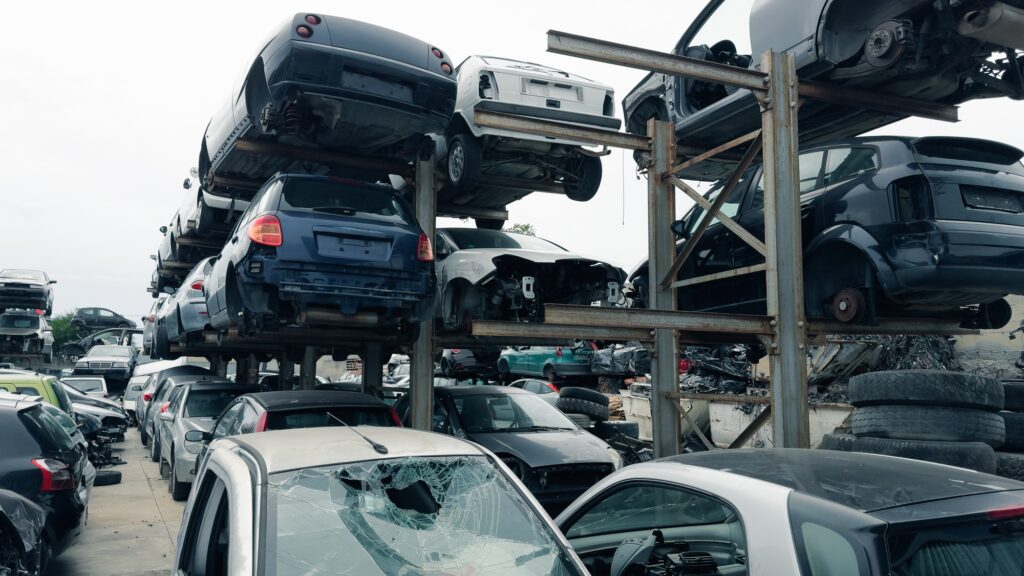
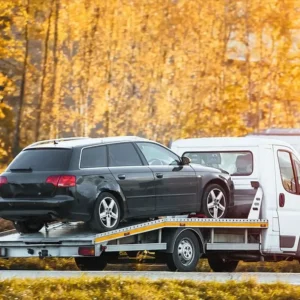
Old electric vehicles are not allowed to be scrapped on the driveway; instead, consider professional companies such as Taranaki Car Removal. EVs require special handling due to its high-voltage battery system. The trained personnel carefully take them and take these automobiles to a disassembly yard.
2. Decreased parts
Once in a store, technicians separate the vehicle. Many components, including electric motors, control systems, body panels and wheels, can still be in fine shape. These parts can be reused, which increases their utility.
3. Battery removal
This is the most critical and delicate stage. EV batteries are heavy, they contain toxic components, and must be removed using special equipment. Once out, the batteries are either:
Stored safely for future recycling, exported abroad for recycling facilities, or restored for use in a second life, such as energy storage in homes and businesses.
4. Body recycling
The remaining components, principally steel and aluminium, are recycled. These metals are in demand and may be melted to create new goods. This ensures that very few vehicles are ruined.
In short, the old electric car removal in New Zealand is evacuated, rescued, and recycled, with a significant focus on the battery.
Challenge of recycling EV batteries in NZ
Take a look at all the challenges facing the recycle EV battery NZ below:
- Consists of Hazardous materials: When it comes to recycling, metals and parts are relatively easy to recycle, whereas EV batteries face a significant challenge. The reason is that it contains hazardous minerals such as lithium, cobalt, and nickel. In New Zealand, EV batteries may now be recycled. Many batteries are transferred outside for processing, which results in higher pricing. Additionally, damaged and corroded batteries must be handled with caution and care, as they can catch fire easily or result in hazardous leakage.
- Future Solutions: When the battery is not used in vehicles, it can be utilised for other purposes, such as solar energy storage or providing grid backups.
- Research in local recycling features: New Zealand is building its EV battery processing facility.
- Industry cooperation: Carrier-removing businesses are collaborating with recycling professionals to manage the life cycle of vehicle batteries properly.
This indicates that challenges persist, but the industry is moving towards a permanent solution for EV batteries.
Why Scrapping EVs Benefits New Zealand
Away from being useless, EV scrapping in NZ provides many benefits:
- Environmental Protection: Toxic battery prevents chemicals from polluting land and water.
- Resource Recovery: Reinstates valuable minerals rather than relying solely on extraction and mining.
- Job Creation: Expanding the recycling industry creates skilled jobs and fosters economic development.
- Sustainability and recycling support a circular economy, ensuring that EVs remain environmentally friendly throughout their life cycle.
By ensuring that the old EV is scrapped correctly, New Zealand protects its environment and strengthens its sustainability goals.
What should EV owners do?
If you are the owner of an EV that is near the end of its life, then here is how you can play your role:
- Check the battery first: sometimes a new or renovated battery can extend the life of the car.
- Choose professional expulsion services: Never attempt to remove the car yourself. High-voltage systems are dangerous.
- Work with responsible companies, such as Taranaki car removal, which handles EVs safely and efficiently.
- Stay updated: The EV recycling landscape is developing quickly. Be sure to make the best decision for your old vehicle.
Road ahead for old EVS
New Zealand is still creating its EV recycling capacity, but the future looks promising. As the older EVSs reach the end of their lifetimes, the demand for a recycling solution will increase. In the coming years, we can expect:
- More dedicated recycling plant in NZ,
- Strong industry cooperation,
- The use of second life for EV batteries has increased
This will ensure that the old EVs continues to contribute positively to New Zealand’s stability goals even after their operational days end.
Final Thoughts
So, what happens to the old EVs in New Zealand? They do not end only in landfills. Instead, they undergo a process of rigorous decision-making, part of which involves body recycling, and, most seriously, safe battery removal. While obstacles exist, especially in recycling EV batteries in NZ, the country is moving towards greenery and more sustainable options.
For EV owners, the key is to choose responsible expulsion services such as Taranaki car removals, which ensures that your vehicle is safely destroyed and contributes to a circular economy. By treating the old EVs properly, we can ensure that electric cars are environmentally beneficial at the end of their life, just as they are on the road.