
There is a car in the driveway that you keep meaning to do something with. It might be the old family car you replaced last year, a project you planned to fix, or a second vehicle you no longer need. It still looks much the same each time you walk past it, so leaving it for another month feels harmless.
But a parked car does not stay in the same condition. Its battery can lose charge, its tyres can age, and damp can find its way into places you rarely check. The market for that particular car can change, too.
That does not mean every unused car loses a set amount of money each month. A well-stored classic car is very different from an ageing hatchback left outside. For many everyday vehicles, though, waiting can make the car harder to use, harder to sell or more expensive to put back on the road.
The battery may be the first thing you notice
You might turn the key after a few weeks and hear nothing. This is one of the most common surprises with a car that’s been sitting unused.
A battery gradually loses charge even when the engine is off. Many cars also use a small amount of power while parked to maintain settings, alarms and other systems. An older battery may struggle sooner than you expect.
A flat battery doesn’t always mean your car is worth less, but it does give buyers something to think about. Will it start reliably, or will they need to replace the battery? If you plan to keep the car, check the battery and ask for advice on keeping it charged while it’s stored. If you want to sell, find out the battery’s condition before showing the car.
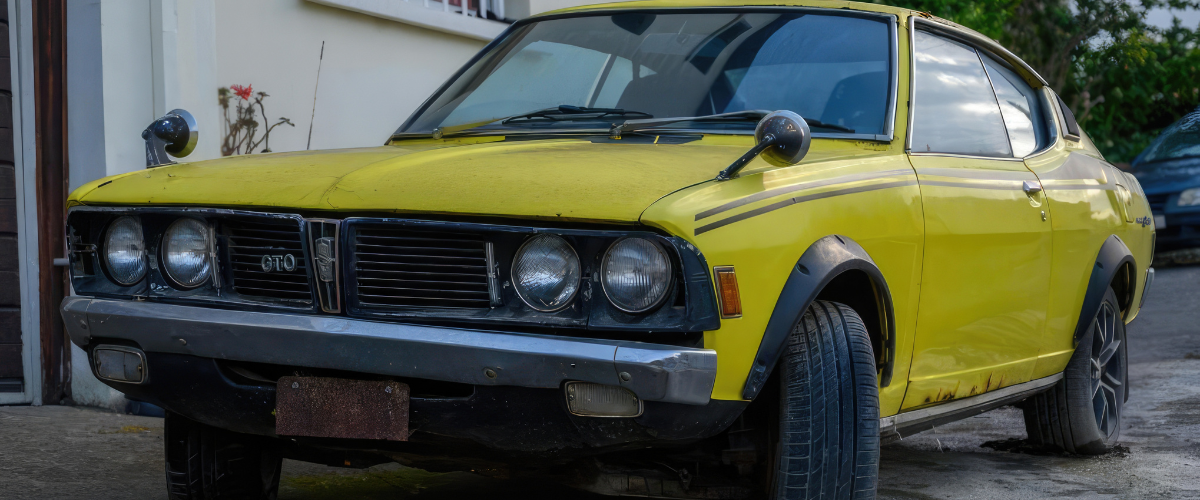
Tyres still age when the car is standing still
It is easy to judge tyres by their tread alone. A car that has covered no kilometres since its last WoF may seem like it doesn’t need new ones.
However, tyres can lose pressure while a car is parked, and their rubber continues to age. Long periods in one position may also affect how they feel when you drive the car again. Sun exposure can add to wear, particularly when the vehicle is kept outdoors.
Before driving a car that has been parked for a long time, inspect the tyres for cracks or visible damage and check the pressure. If you are unsure about their condition, have them checked. A buyer may do exactly that, and replacement costs can affect what they are willing to pay.
Taranaki weather does not leave a parked car alone
An outdoor car in Taranaki sees plenty of changing weather. Rain and wind can bring moisture and dirt into areas you may not notice during a quick walk around the vehicle. If a door, window or boot seal is worn, damp can get inside and linger.
The first clue might be misted windows, a musty smell or a damp patch under a floor mat. Left alone, a small leak can turn into an unpleasant job to clean and repair. The exterior needs attention as well. Dirt and moisture can collect around wheel arches, seals and other tucked-away areas. A car parked near the coast may also be exposed to salt in the air. None of this means rust is inevitable, but it is a good reason to look over an unused car regularly rather than assuming it is fine because nobody drives it.
Being parked can create its own repair list
A car that sits for months may need more than a jump-start before it is ready for regular use. Brakes, fluids, wipers and other parts should be checked, especially if it has been stored outside. A brake that makes a noise after a short period parked may be a minor issue; a car left much longer deserves a closer inspection.
This is where the cost of waiting can catch people out. You may have parked the car because one repair did not seem urgent. Months later, that original job is still there, along with a battery check, tyre concerns or damp inside the cabin.
It is worth separating what the car needs to be safe to drive from what you would simply like to tidy up before selling it. A mechanic can help you understand the first list. You can then decide whether the likely sale price justifies the work.
Rego and WoF can complicate your plans
If the car is not being used, you may feel reluctant to keep paying for its vehicle licence, commonly called rego. NZ Transport Agency Waka Kotahi allows you to put the licence on hold when the vehicle will not be used on the road for a qualifying period. That can help if you genuinely plan to keep it.
It does not preserve the car’s condition, though. Nor does it remove the need to sort out its roadworthiness before you start driving it again.
An expired WoF can also affect how you sell a vehicle. Some buyers will take on a car that needs work, while others want one they can drive away with confidence. New Zealand has requirements for selling a vehicle, including rules concerning its WoF and notifying NZTA of the sale. Check the current requirements before agreeing to a sale, particularly if the car is no longer roadworthy.
The market keeps moving while you wait
Even if the car stays dry and starts perfectly, its sale price is not frozen at the amount someone offered six months ago. Buyers compare it with other vehicles available now. Its age, kilometres, condition and demand for that model all influence what they are prepared to pay.
There’s no way to say exactly how much value a parked car loses each month. Some cars keep their value better than others. The main thing to remember is that waiting doesn’t guarantee a better offer, especially if the car needs more work as time goes on.
Think back to why you stopped using it. If it was replaced because repairs were becoming frequent, parking it for a year is unlikely to solve that problem. If you planned to fix it, ask yourself whether you still have the time and budget.
Should you maintain it or sell it?
You don’t have to sell a car just because you are not driving it right now. If you have a clear plan to use it again, store it properly and check it regularly. Keep an eye on the battery, tyres and any signs of moisture, and get professional advice before returning it to the road after a long break.
Selling may make more sense when the car has no realistic place in your plans. Perhaps you bought a replacement months ago. Perhaps the repair quote is more than you want to spend. Or perhaps it has become a permanent fixture in the driveway while you keep postponing the decision.
You have options. A roadworthy car may appeal to a private buyer. A vehicle that is damaged, does not run or needs too much work may still have value to a car removal business because some parts and materials can be reused or recycled.
What to check before asking for a quote
You do not need to know every mechanical detail, but a few honest observations will make the conversation easier:
- The car’s make, model and year
- Its approximate kilometres
- Whether it starts and moves
- The condition of its tyres and body
- Whether it has a current WoF and rego
- Any known accident damage or major mechanical problems
- Where it is parked and whether a tow truck can reach it
Do not worry if you cannot answer everything. Let the buyer know what you do know, and mention anything that may affect collection, such as a locked garage or a car parked on soft ground.
Decide while you still have options
The car in your driveway might be worth keeping. It might be worth repairing. It might be time to sell it. The key is to make that choice based on its current condition, not the condition you remember from the last time you drove it.
If an unwanted vehicle has been sitting outside in New Plymouth, Stratford, Hāwera, Waitara or elsewhere in the region, Taranaki Car Removals can give you a quote. The team buys vehicles in a range of conditions and offers free car removal across Taranaki. A quick quote can help you decide whether it is worth fixing the car—or whether it is time to reclaim the space.