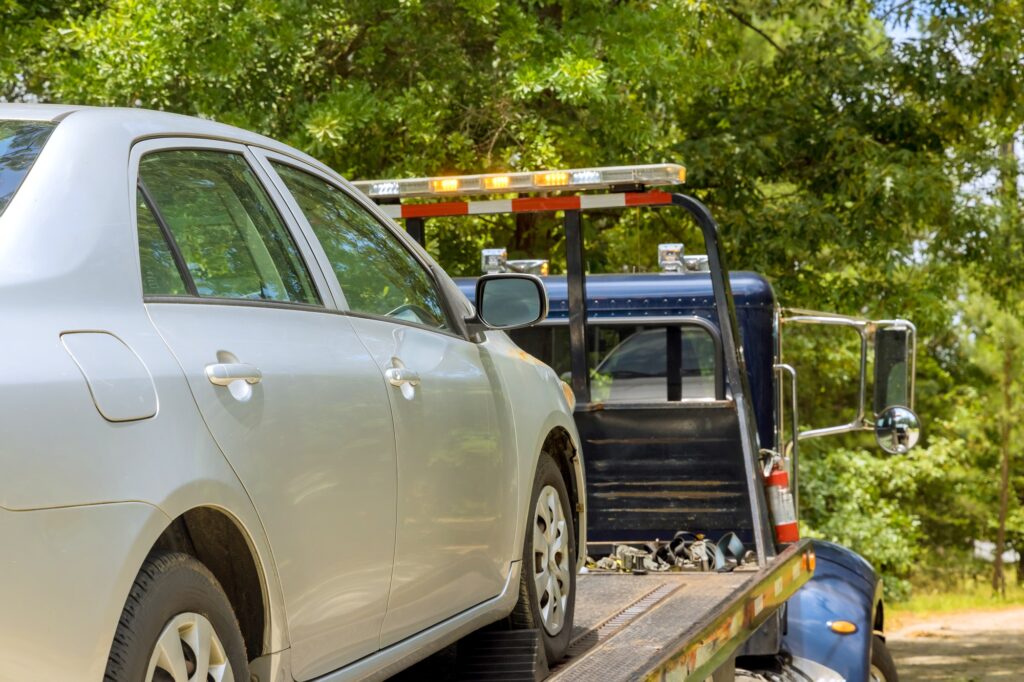
Every car owner faces the dilemma of whether to spend on another repair or admit that it is finally time to let go of the vehicle. This choice is typically emotional, especially if you’ve had your automobile for a long time. However, when a car becomes more of a financial liability than a reliable asset, sound judgment must take precedence over sentimentality.
At Taranaki Car Removals, we understand what it feels like to reach this path. Our experience in end-of-life vehicle management shows that ignoring clear warning signs leads to significant stress, increased expenses, and potential safety risks. We bring this guide to you to help you make logical, financially sound, and safe decisions.
Financial red flags
The most compelling reason to scrap a car is almost always financial. When the cost of keeping a vehicle running and in good condition exceeds its value, every trip to the mechanic becomes a poor investment.
The repair-value ratio
One of the oldest and most reliable rules in motoring finance is the “50% Rule”. This benchmark suggests that if the costs of a necessary repair are more than half of the vehicle’s current market value, you might be better off scrapping the car and putting that money toward a replacement.
For example, if your car’s private-sale value is approximately $2,500 but the transmission repair costs $1,500, the repair represents 60% of its value. By the time the repair is complete, you are likely to face other age-related issues soon after. The continued investment cannot be justified given the diminishing returns on the vehicle itself.
The cumulative cost trap
Pay special attention to the whole cost of repairs, not just a single repair bill. Many ageing vehicles experience a “cascade failure” phenomenon, in which repairing one component instantly exposes a vulnerability in another. Are you receiving repair invoices more frequently? Do yearly maintenance and repair expenditures typically surpass 20-30% of the car’s market value?
If you are spending thousands annually to keep an old vehicle on the road, that money is effectively wasted.
Failing statutory inspections
A failed safety or emissions test, such as a WOF, MOT, or similar test, is a standard indicator that a vehicle is nearing the end of its useful life. Repair costs can be substantial when the failure notice indicates serious issues, such as severe structural corrosion, extensive brake wear, or the requirement for expensive emission components such as a catalytic converter. It is often not economically feasible to invest heavily in an ancient automobile with little resale value to bring it back on the road. When the cost of required repairs is high, and the car’s scrap value is low, it is usually apparent that the best choice is to scrap the vehicle.
Major mechanical and structural failure
Some mechanical issues are so severe, and the associated repairs are so expensive, that they demand a terminal diagnosis for an older vehicle.
Engine and transmission catastrophe
The engine and transmission are the most critical components of any car. When these fail, repair costs often exceed $1,000. Signs of catastrophic failure include:
- Knocking sounds: A deep, rhythmic knocking often indicates that rod bearings have been damaged or that the crankshaft has failed.
- Blown head gasket: Leads to overheating, white exhaust smoke, and coolant mixing with oil. If the head or engine block is warped or broken, the cost goes up.
- Transmission slippage or grinding: This suggests internal component failure, typically requiring an entire transmission replacement or a rebuild. This will empty your pockets.
In most cases, for a car over ten years old, a complete engine or transmission replacement will exceed its value, making professional scrapping the most sensible path.
The corrosion threat
Rust is to be considered more than just a surface-level issue. It is a structural danger. Extensive corrosion, in the main vehicle areas, compromises the vehicle’s integrity and safety.
Chassis and Frame:
Rust affecting the core frame members, subframes, or suspension and steering mounting points is severe.
Sills and Load-Bearing Points:
If corrosion appears in areas vital for occupant protection or where major components are attached, the vehicle is no longer safe in an accident.
Repairing severe structural rust requires complex, expert welding and fabrication. If a mechanic identifies advanced rust, especially in load-bearing zones, it is a non-negotiable sign that the car should be removed from the road and recycled.
Compromised Safety Systems
Safety should never be sacrificed to prolong a vehicle’s lifespan. If safety components start to fail or need extensive maintenance, it’s time to scrap:
- Brake System Deterioration: Repeated problems with brake lines, callipers, or the Anti-lock Braking System (ABS) module demand constant, costly maintenance.
- Steering and Suspension: Fatigued shocks, fractured struts, and loose steering components can cause poor handling, excessive shaking, and an increased risk of loss of control. Such expensive repairs indicate significant wear across the entire vehicle platform.
Failing Electrical Systems
Modern vehicles are dependent on sophisticated wiring and computers. Electrical problems can be complex to troubleshoot, slow to repair, and frustratingly unreliable. Various electrical problems, including dashboard lights not working, central locking systems not working, or constant battery drainage due to bad wiring or a broken Engine Control Unit (ECU), are obvious indicators of system-wide degradation. The cost of diagnosis alone can easily exceed the car’s value, and the repair effort is a long shot.
Age, High Mileage, and Parts Scarcity
Age and mileage are not mere figures; they are a cumulative stress on all parts. After a car reaches high mileage, the failure of components becomes predictable and fixed. Moreover, after 10 to 15 years, manufacturers usually stop making parts for older models.
When your mechanic has a hard time finding the parts you need, you face two problems: higher prices due to scarcity and long delays as your car sits off the road awaiting parts. The practical end of life has arrived when the necessary elements are in short supply.
Regulatory Obstacles
With tightening environmental regulations, older, high-emission vehicles are increasingly restricted. If your car is an older model that does not meet current emission regulations, you may be penalised or even barred from driving in some metropolitan areas. Even if it were feasible to upgrade the emissions system, the cost would be prohibitive. The financial penalty of non-compliance, coupled with environmental responsibility, will be a strong incentive to dispose of the vehicle and select a cleaner alternative.
Making the Responsible Choice with Taranki Car Removals
It is the wiser idea to say goodbye to your old car and scrap it; it is safer and healthier for your bank account and the planet. It is just a waste of money to keep spending on fixing a car that keeps showing red flags.
By choosing Taranki Car Removals to scrap your car, you are selecting a team that is reliable, professional, and does things the right way. We ensure that your old car is thoroughly cleaned and that all hazardous fluids and substances are safely removed. We then recycle the metal and any good parts in the most environmentally friendly manner. You will receive a fair amount of cash for selling your car, the assurance that all legalities are taken care of, and the reassurance that you are no longer responsible for the vehicle.
When you notice these symptoms in your own car, do not waste your money on expensive, unpredictable repairs. Call Taranki Car Removals for a quick quote and learn how easy it is to sell your old car responsibly and receive instant cash.