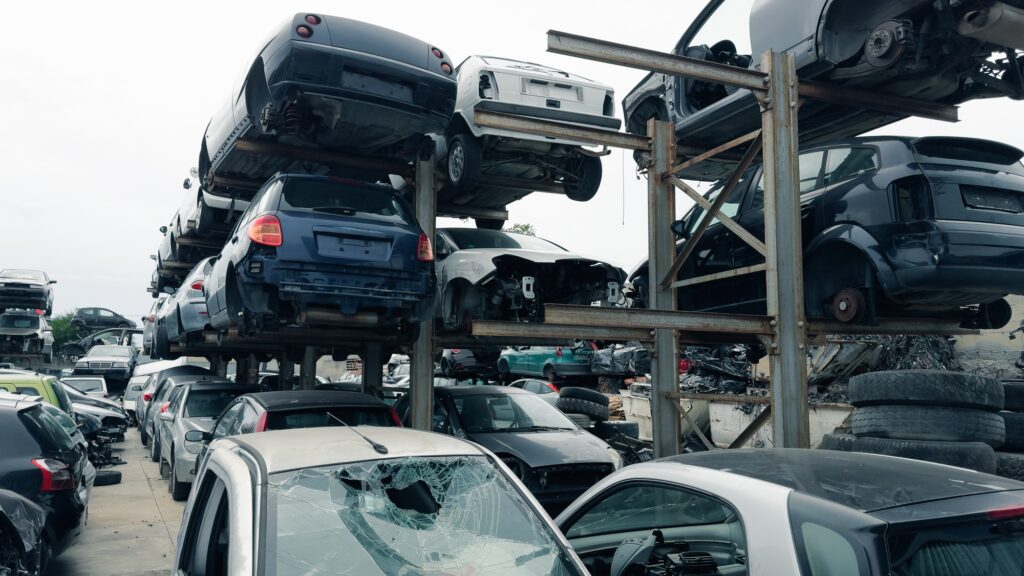
What comes to your mind when you think about scrapping an old car? It must be an image of a pile of crushed vehicles, steel in a recycling yard. Do you know that metal recovery makes up nearly 75% of an average vehicle’s recycling value (World Steel Association)?
Due to technological advancements, the demand for sustainable practices is increasing. There are multiple uses for scrap cars; people utilise them in various creative arts. If you Google the usage of scrap cars, then you will be shocked to know.
Everything from tyres to playgrounds to the windshield glass for road construction needs your old car. In this article, you will get to read five surprising ways your scrap car can be reused. Hence, make sure to read the article to the end to learn everything.
5 Ways Your Scrap Car Can Be Reused: Which You Probably Don’t Know
It’s time for you to know about the value of your old car. Here are five ways your scrap car can be reused and be useful:
1. Repurposing Car Parts for Furniture and Décor
After looking at your scrap, you might think it’s a waste, but have you ever considered that it could be a masterpiece for someone else? Across Australia and around the globe, artists and furniture makers are looking for such things.
Things like car parts that can be turned into something stylish, durable, and usable as home decor. Here’s more for you to know:
- Do you know that your car seat can be used as a sofa and armchair with a retro, industrial vibe?
- Those engines and transmissions are upcycled into coffee tables or desk bases, giving new life to mechanical components.
- Even your license plates, bumpers, and hoods can be used as in-wall art, garden sculptures, and shelving.
Did you know that the global market for upcycled furniture is expected to increase at a 5.3% annual rate between 2023 and 2030? This indicates that consumers’ demand for sustainable and customised products is increasing. Many mindful homeowners enjoy incorporating these figures into their homes, cafes, and other public spaces.
2. Turning Rubber Tires into Playgrounds and Sports Surfaces
Just like most people, you must also think that tyres are one of the most problematic forms of waste. They are heavy, non-biodegradable, and prone to stockpiling. However, thanks to innovation, shredding and repurposing them into rubber crumbs is now a relatively straightforward process.
This material is used in:
- Playground flooring that’s soft, safe, and durable
- Running tracks and sports fields
- Shock-absorbent surfaces in gyms and fitness centres
Tyre Stewardship Australia reports that 56,000 tons of tyres from the end of their useful lives were recycled into new goods in 2023. Communities gain from repurposing waste automobile tyres while reducing their reliance on virgin resources.
3. Recycling Plastics into Everyday Products
There are approximately 105 kilograms per vehicle in today’s modern cars, according to the European Automobile Manufacturers’ Association. These plastic materials are used in dashboards, bumpers, door panels, interior trim, and other components.
Instead of letting this material end up in landfills, recyclers are transforming it into:
- Outdoor furniture like benches and garden tables
- Household items such as bins, containers, and planters
- Construction products, including decking, flooring, and pipes
With global plastic pollution at record levels, reusing automotive plastics is a meaningful way to reduce environmental strain. Some companies are even exploring advanced chemical recycling to turn scrap plastics back into raw material for manufacturing new vehicles, completing a sustainable loop.
4. Giving Glass a Second Life: Roads, Tiles, and Insulation
Those glass layers in your automotive laminated glass make the recycling process complicated, but it is also becoming easier to do so these days.
Those windshields and glasses get broken down into tiny particles, which can be used in new goods instead of raw sand and silica, which then end up in landfills. These recycled glass particles are used in the following ways:
- During road construction. Asphalt mixes can include up to 30% recycled glass.
- Fibreglass insulation, which improves energy efficiency in homes
- Eco-friendly tiles and countertops, adding strength and sustainability
According to the U.S. Environmental Protection Agency, using recycled glass reduces energy consumption by approximately 30% compared to producing new glass. So, the windshield from your old sedan could one day become part of a highway or an energy-efficient building.
5. Energy Recovery from Non-Recyclable Car Parts
Yes, due to technological advances, things are advanced, but it is still not easy to recycle every part of a vehicle. There are items, such as foams, adhesives, and certain composites, that continue to pose a challenge. Countries are now turning this waste into energy facilities instead of dumping it in landfills.
Those non-recyclable auto parts meet their end destination in a controlled environment to produce heat or energy. According to data provided by the International Energy Agency, waste-to-energy facilities generate around 2-3% of the world’s electricity, with scrap cars serving as a feedstock.
This approach ensures that even hard-to-recycle materials still contribute to sustainability by offsetting fossil fuel use.
Why This Matters: The Bigger Picture
Let’s look at the bigger picture. Cars are among the most recycled consumer products globally. You will be happy to know that over 80% of your vehicle’s materials can now be reused or recycled.
The goal here is to explore the path of creativity and achieve sustainable reuse for every component. Hence, as a result, now for consumers, it is no longer just getting their old car scrap and having no value.
They now know that it’s the beginning of a new lifecycle for its parts: powering homes, paving roads, furnishing living rooms, or providing safe spaces for children to play.
The Role of Scrap Cars in Building a Circular Economy
The term circular economy refers to a sustainable system that keeps resources in use through reuse, recycling, and recovery, minimising waste and maximising value. Due to this trend, cars have their own value even after their usage and lifetime have expired.
By reconsidering what happens to junk vehicles, we not only minimise landfill waste but also generate new industries, jobs, and environmentally friendly goods. According to the Australian Automotive Recycling Industry, the business already provides more than $1 billion to the national economy and employs thousands of people.
The Final Thoughts
So, after reading the following article, how do you feel about your old car? Optimistic right. Well, you should have understood by now that your old car is more than just a piece of junk that you wanted to throw away or didn’t know what to do.
Therefore, keep in mind that your trusted car’s narrative isn’t over the next time you say goodbye to it at the scrapyard. Your discarded automobile may be used for something you never thought possible, including powering houses or absorbing the impact of playground falls.
Recycling is only one aspect of sustainability; another is rethinking. With Taranki Car Removals, every junk automobile has the potential to contribute to something greater, more environmentally friendly, and unexpectedly inventive in this way.